



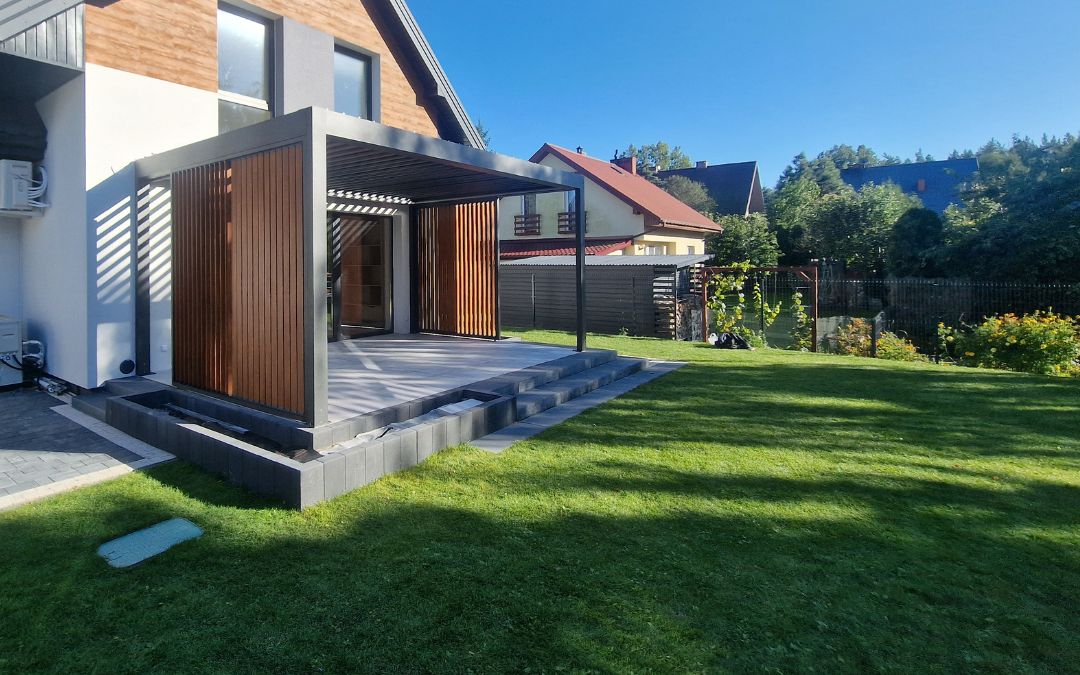
Wall-mounted or free-standing garden pergola - which to choose?
Wall mounted or freestanding garden pergola - what's the difference?
The garden pergola can be mounted directly against a building wall (wall mounted) or as an independent structure placed anywhere in the garden (free-standing). The choice depends primarily on the space available, the function to be performed by the canopy and the technical conditions of the plot.
It is this division that most influences the cost of implementation, the method of installation and the comfort of use.
Wall mounted garden pergola - when is it a good solution?
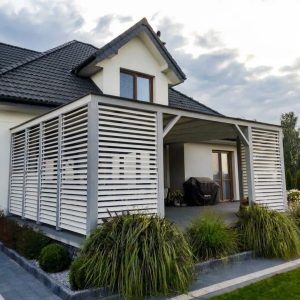
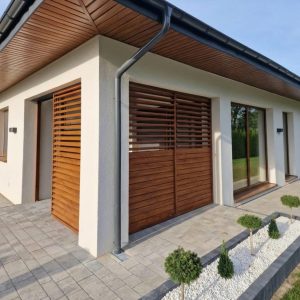
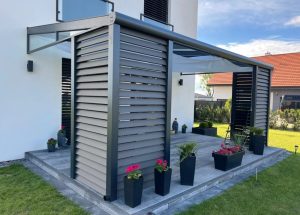
The wall-mounted pergola is mounted directly to the façade of the house. It creates a natural extension of the living room and a seamless transition between the interior and the garden or terrace.
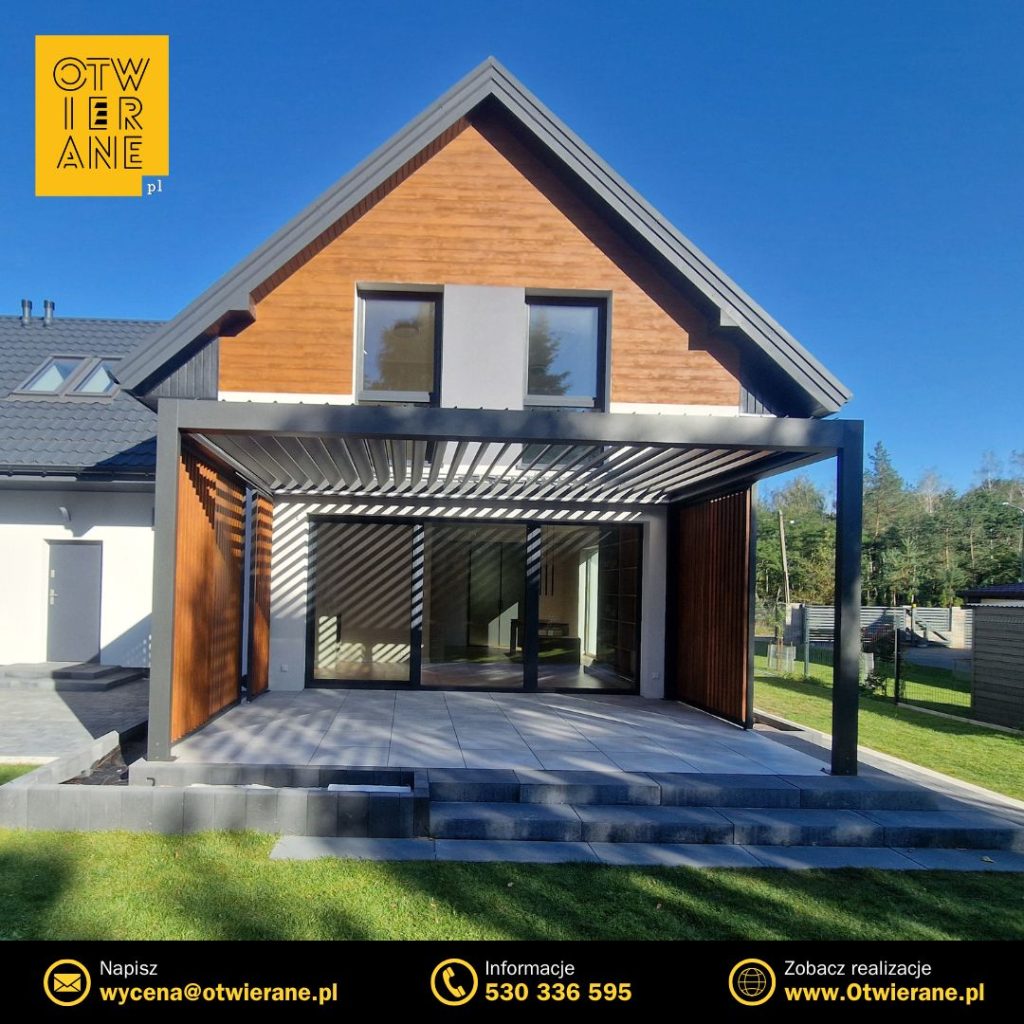
Advantages of a wall-mounted pergola:
- space-saving - ideal for smaller gardens and terraces,
- additional protection from the wind through the building wall,
- usually simpler to install using the existing structure,
- lower foundation cost.
- house extension
Disadvantages:
- the need for installation next to the building,
- matching the façade and the load-bearing capacity of the wall,
- less freedom of arrangement.
A wall-mounted pergola is ideal where you want a functional terrace canopy without taking up extra space in the garden.
If you are looking for a self-assembly structure, see available garden pergolas for folding.
Freestanding garden pergola - for whom will it be better?
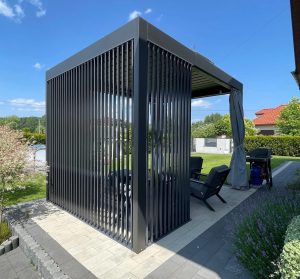
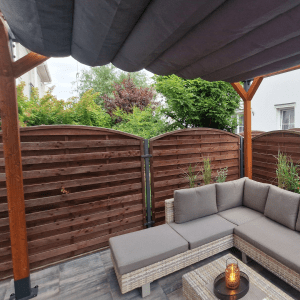
Free-standing pergola is a self-contained structure that you can set up anywhere in your garden or allotment. It does not need to be supported by a building.
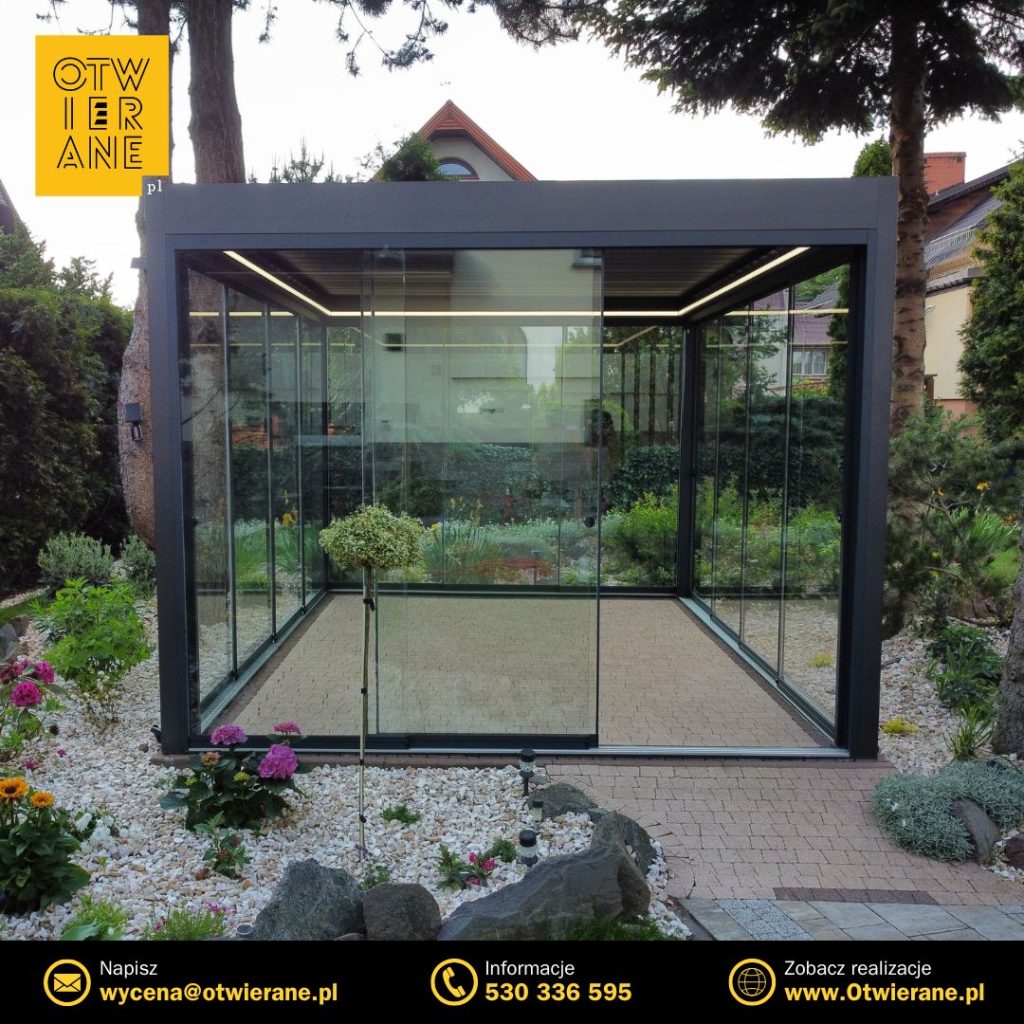
Advantages of a free-standing pergola:
- full freedom of location,
- possibility to create a separate lounge area,
- greater design possibilities,
- independence from the house structure.
Disadvantages:
- the need for a more solid foundation,
- greater exposure to wind and weather conditions,
- usually a higher cost of construction.
This solution is recommended for larger gardens where the pergola is to act as a separate „garden living room”.
Which patio pergola to choose? 4 key questions
Answer a few questions before making a decision:
1. what is the function of the pergola?
Should it protect the relaxation area next to the house or create a separate space in the garden? Function influences the type of structure and its size.
2. what size do you need?
For a pergola to be comfortable for 4-6 people, its sides should be a minimum of 300-400 cm. In larger gardens, freestanding structures with larger dimensions work better.
3 Where will it be located?
Pay attention to:
- world directions,
- insolation,
- airflow,
- neighbouring buildings.
The pergola by the living room naturally enlarges the space of the house. Free-standing, it allows you to create a separate relaxation area.
4. What style should suit the house and garden?
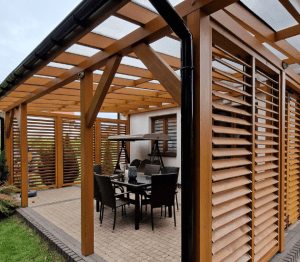
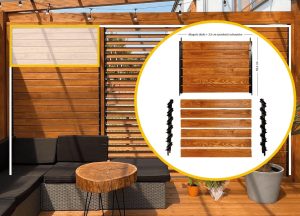
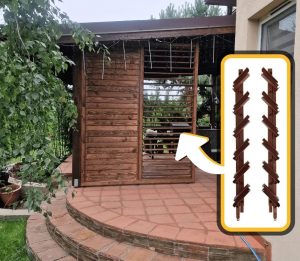
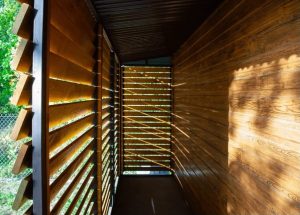
Wood construction lends a natural character. Aluminium fits in better with modern building blocks. The colour scheme should be consistent with the façade and surroundings.
Wall mounted or freestanding garden pergola - a summary
There is no one-size-fits-all solution.
A wall-mounted pergola will work well around the house and in smaller spaces. A free-standing pergola gives more freedom of arrangement and works better in an extensive garden.
If you are unsure which solution will be optimal, it is worth comparing the two options from an angle:
- available space,
- Budget,
- use,
- technical conditions of the plot.
Check available solutions
If you want a finished project with measurement and installation, check out the garden pergola service with installation. See the variants available and match the pergola to your space.