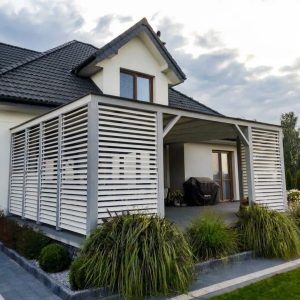
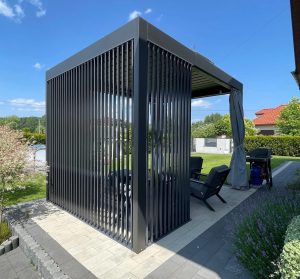
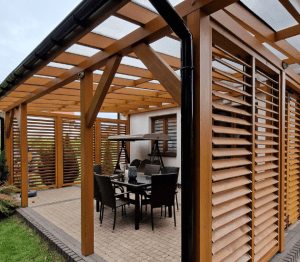
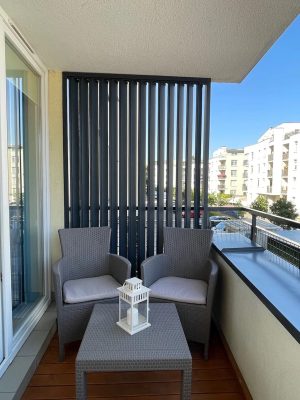
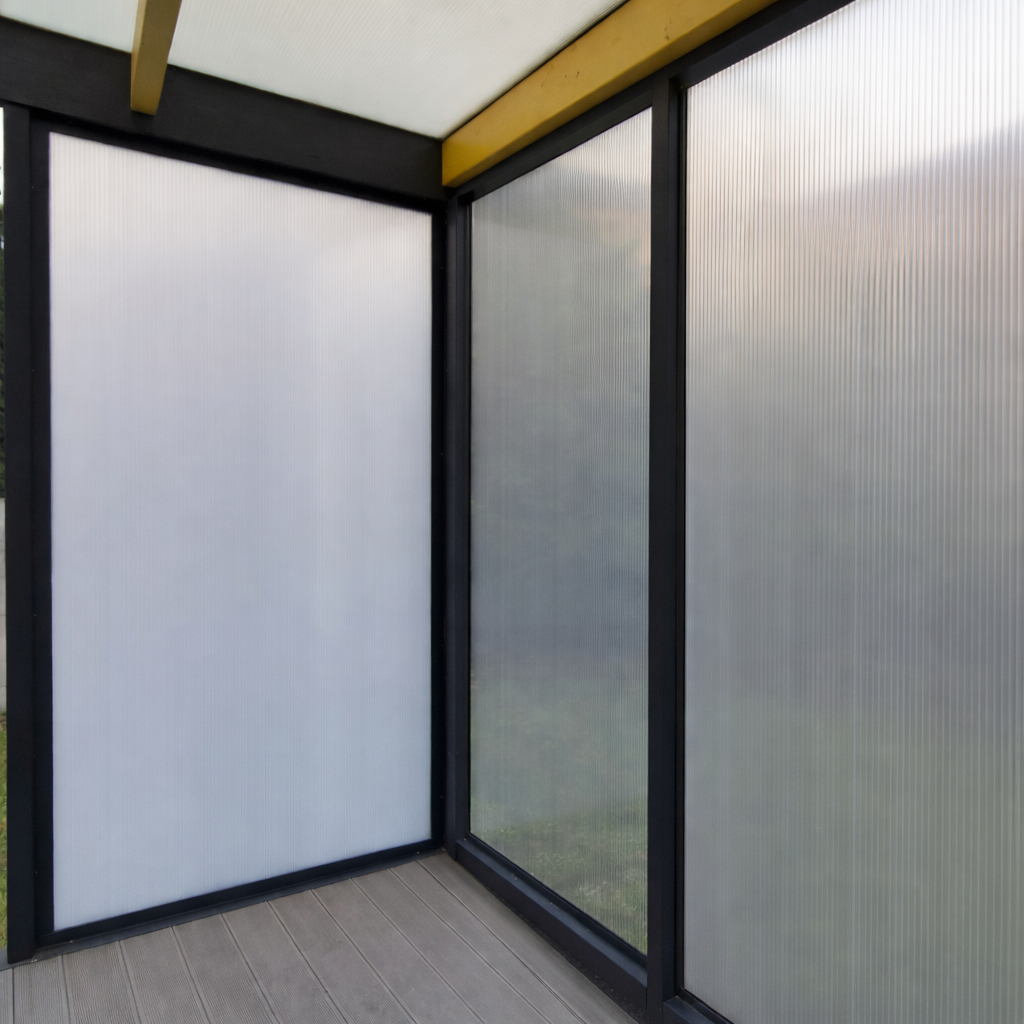
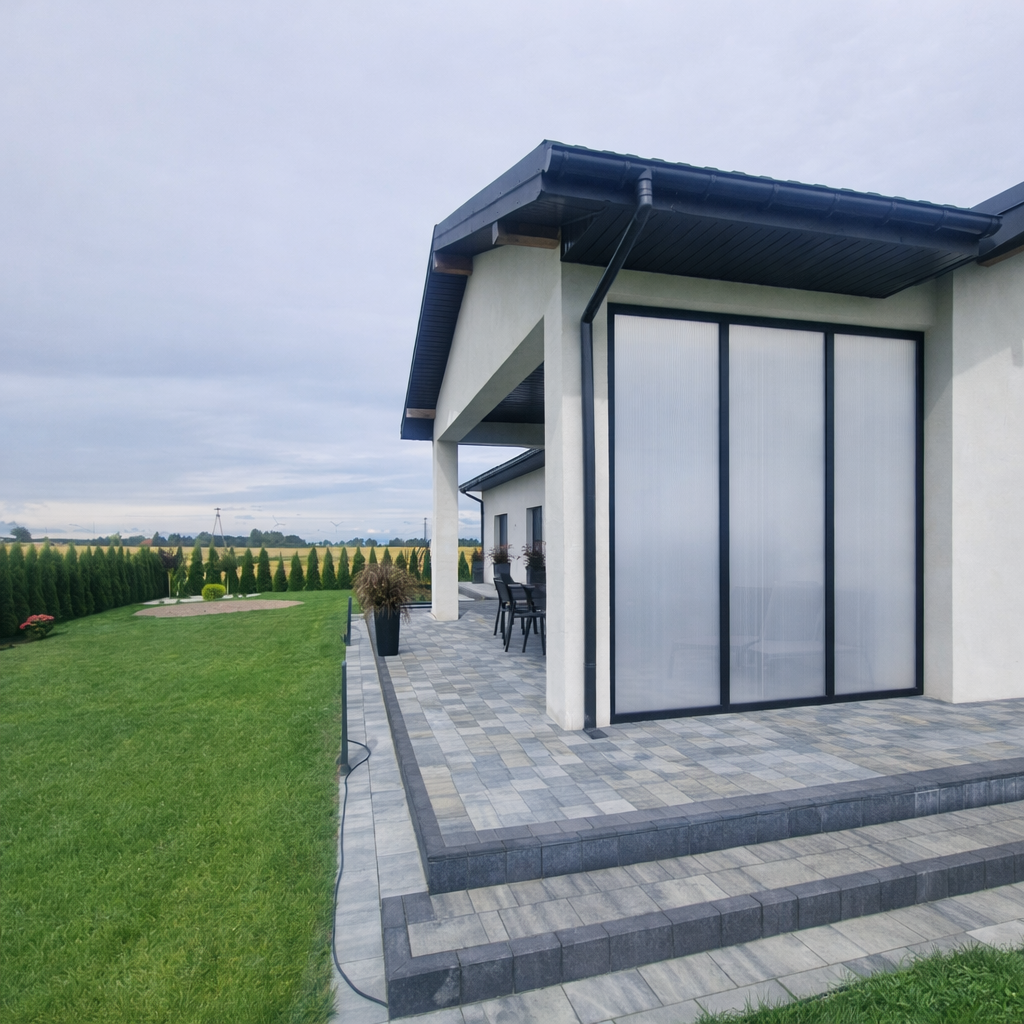
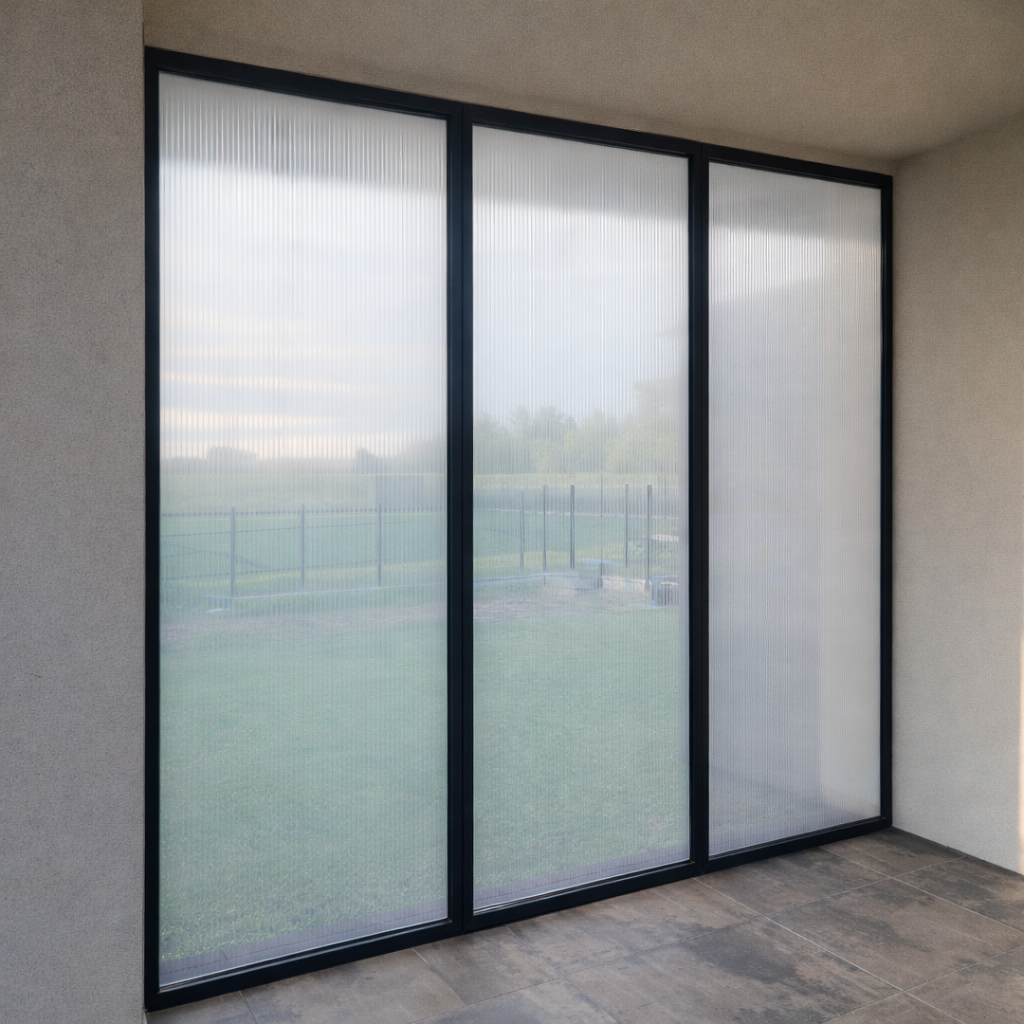
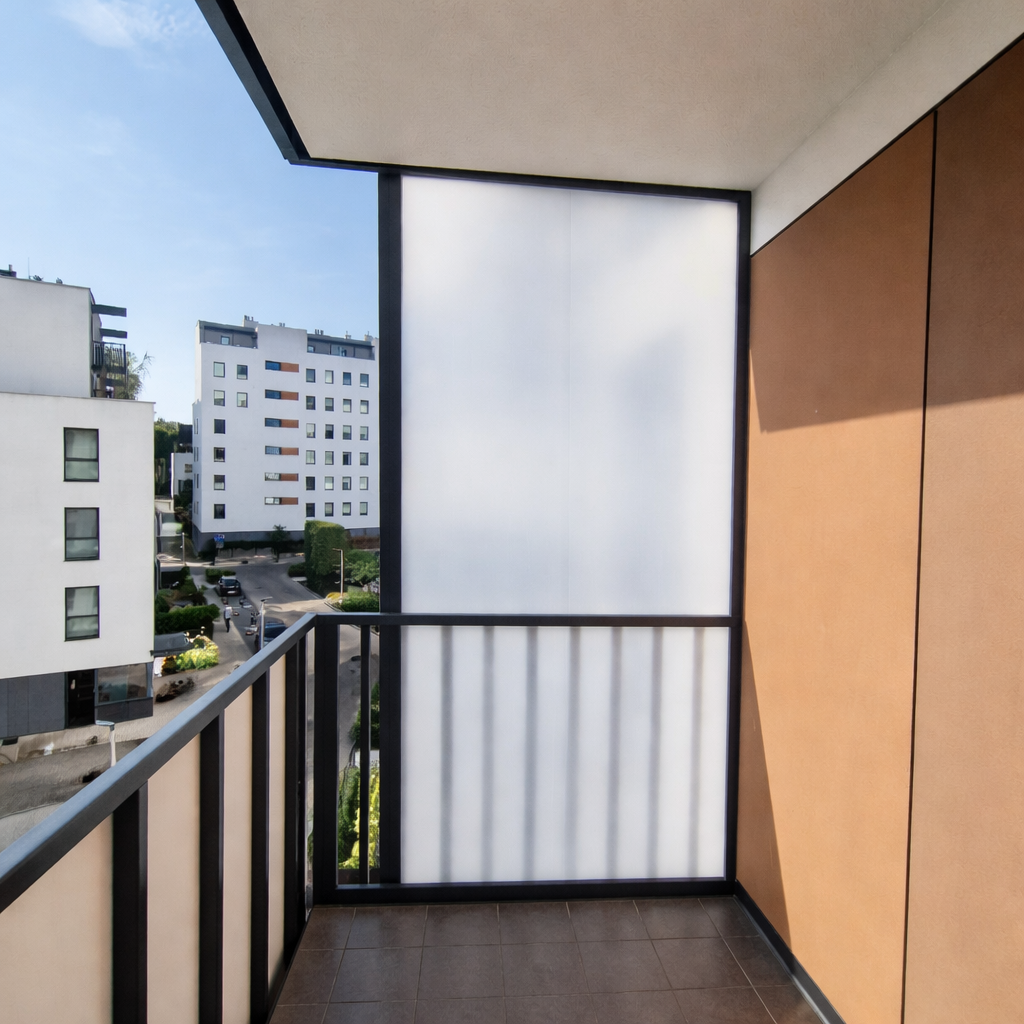
Fixed terrace cladding made of 10 mm polycarbonate
Permanent polycarbonate terrace cladding is a solution for those who want to shield a terrace, pergola, gazebo or balcony from wind and precipitation, while still retaining access to daylight. The enclosure is made of polycarbonate panels permanently mounted in the frame - no sliding elements and no mechanics.
It is a proposal particularly worth considering where functional space protection, simplicity of use and a reasonable budget are priorities. Permanent polycarbonate cladding is also often chosen for balconies, where the installation of glass is sometimes technically difficult or not cost-effective.
Where permanent polycarbonate cladding will work
Polycarbonate works well not only on terrace canopies. It is also used as sidewalls in many types of spaces:
- on terraces at single-family homes,
- in pergolas and garden sheds,
- on balconies and loggias,
- in leisure areas requiring side cover for most of the year.
Polycarbonate is effective in reducing wind and rainfall while allowing light to pass through. Depending on the colour chosen, it can also increase the sense of privacy, which is important especially in urban developments.
Technical details - permanent polycarbonate terrace cladding
In our projects we use 10 mm thick cellular polycarbonate, mounted vertically in a sturdy frame.
Technical parameters of the system:
- polycarbonate colours available: transparent, milky (opal), graphite,
- thickness of polycarbonate: 10 mm,
- maximum frame height: 280 cm,
- maximum width of one module: 130 cm,
- vertical line layout in polycarbonate.
Construction and finishing:
- Aluminium frame - can be painted in any RAL colour,
- wooden frame - can be painted in a colour from the manufacturer's sampler,
- mounting profiles and fittings also available in RAL colours.
Each development is made to measure, taking into account the construction of the terrace, pergola or balcony.
When to choose polycarbonate over glass or blinds
Polycarbonate side panels are a good choice if you want protection from wind and rain, but do not need the ability to open up the walls or the full transparency that glass offers. Polycarbonate allows light to pass through, but - unlike glass - can partially restrict visibility, which is an advantage for many users, especially on balconies and in dense buildings.
If maximum visibility into the garden is key, a better option would be to fixed glazing on the terrace. If, on the other hand, you want to regulate light and air flow, it is worth considering aluminium blinds or sliding systems.
Fixed polycarbonate side panels - pricing and installation
We make each permanent polycarbonate terrace enclosure to size and install it with our own team. We advise on the choice of colour, type of frame and method of installation so that the enclosure is durable, aesthetically pleasing and tailored to your space.
Alternatives to polycarbonate side panels
In addition to the fixed polycarbonate terrace cladding, we also offer other side building solutions. Our offer includes fixed glazing on the terrace, as well as permanent installation of aluminium louvres. For those who need more flexibility, we also offer sliding polycarbonate terrace cladding.
During the quotation, we help to select the solution best suited to the technical conditions and the use of the space.
Do you have questions? Contact us - we'll help you decide!
Write: wycena@otwierane.pl